For twenty years the top of the wellness market sold rest. Massage, silence, a robe and a view. That is no longer what the most expensive programmes are built around. The word now is recovery, and it comes with an assessment on arrival, a schedule by the hour, and equipment that would not look out of place in a professional training camp.
Recovery, Not Pampering
The difference is measurable, and that is the point. A spa day is judged by how it felt. A recovery programme opens with a body composition scan and a fitness assessment, and every session afterwards is aimed at something specific — range of motion, circulation, sleep quality, nervous system load. You leave with numbers, not just a mood.
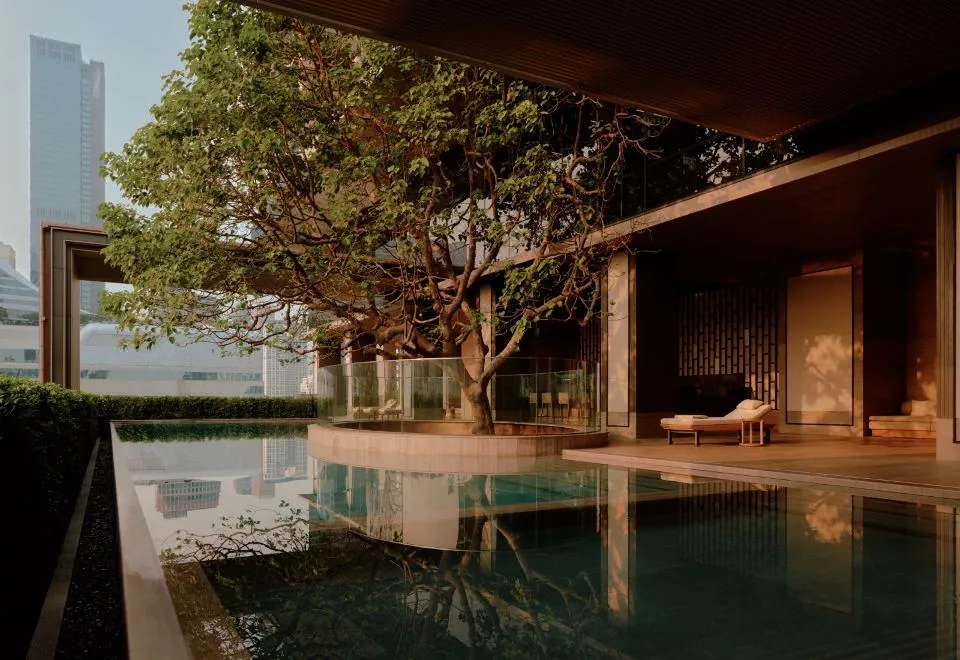
Bangkok has become an unlikely centre for this. The city already had the medical infrastructure and the hotel stock; what it lacked was programmes serious enough to justify flying in for. That gap is closing. Aman Nai Lert, set in seven acres of private garden in the middle of the city, now runs a three-day mobility and recovery programme curated with Novak Djokovic in his role as the group's wellness advisor.
Worth knowing the programme is curated in collaboration with Djokovic — he does not attend it. The hotel says so plainly, and anyone selling it otherwise is selling you something else.

Three Days, Hour by Hour
What makes these programmes worth describing is that they are not vague. The published itinerary reads like a training block, and knowing its shape tells you more than any brochure language could.
Day one opens at two in the afternoon with orientation, then a body composition and fitness assessment at four. An hour of mobility and conditioning follows, then contrast therapy in the hydro facility — hot to cold and back — and a recovery session or a full spa treatment before a wellness dinner at eight.
Day two is the heavy one. Breakfast at leisure, then cryotherapy at eleven, followed immediately by dynamic stretching and active recovery — a choice of stretching, swimming or a cold plunge. Lunch, then strength and conditioning in the afternoon combining gym work and stretching, and two hours in the Banya spa house before dinner.
Day three is deliberately short: breakfast, one final strength session at ten, and departure by midday. The taper is intentional — you are meant to leave with something left in the tank.
Note the published schedule is a sample. It is adjusted to the guest and to the length of stay, so treat it as the shape of the thing rather than a timetable.
What the Equipment Actually Does
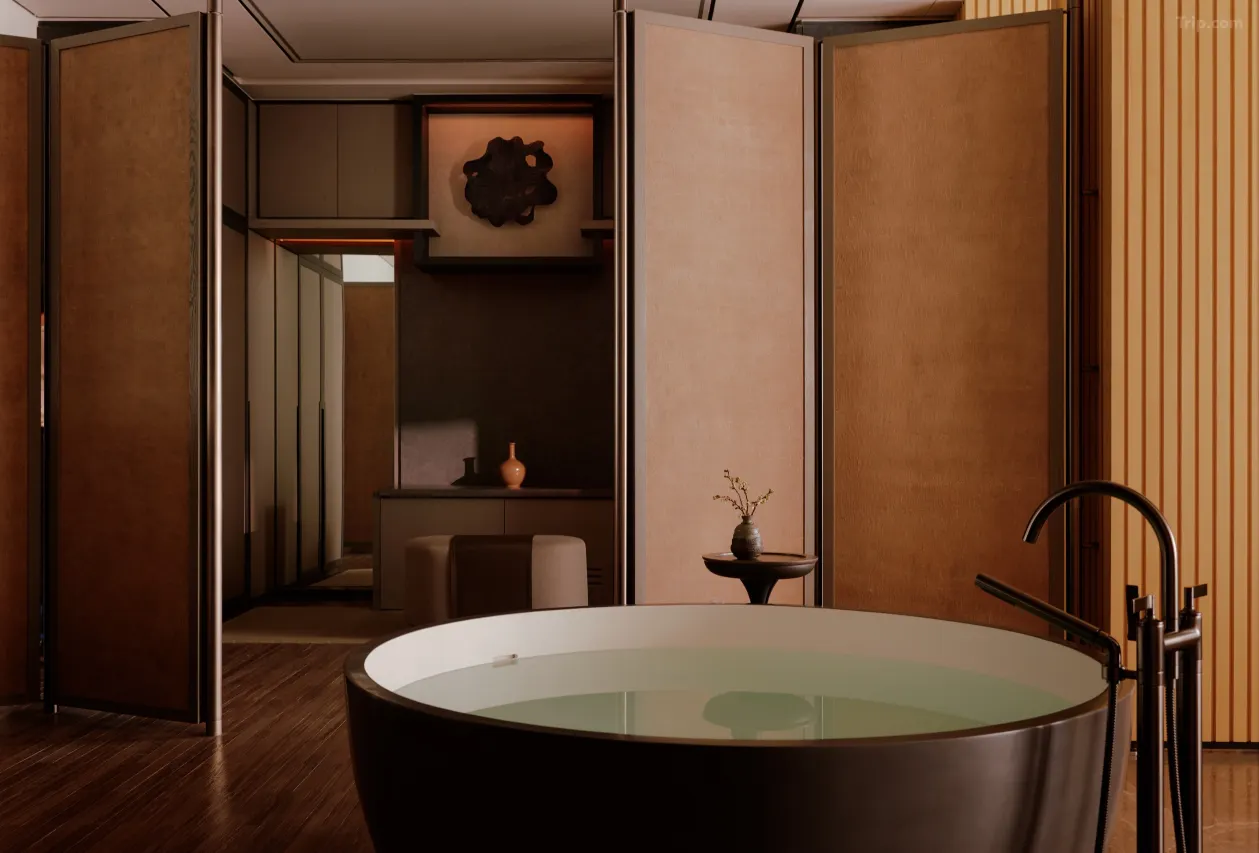
Cryotherapy, contrast bathing and banya sound interchangeable in marketing copy, and they are not. Contrast therapy alternates hot and cold to move blood and reduce stiffness — the oldest trick in the book and still the most reliable. Cryotherapy is a short, sharp cold exposure aimed at inflammation and at the nervous system rather than the muscle itself. Banya is the slow end of the scale: heat, humidity and time.
The body composition scan at the start is the piece most people skip and shouldn't. Without it there is no before, and without a before the whole exercise collapses back into a spa day with better equipment.
Who It Actually Suits
Three days is short. That is a feature, not a compromise: it fits inside a business trip or a stopover, which is exactly why Bangkok works for it. If you are already flying through, the programme costs you a weekend rather than a holiday.
It suits people who train and have stopped progressing, people who travel enough that their sleep and mobility have quietly degraded, and people who want a baseline measurement before committing to something longer. It does not suit anyone hoping to be left alone — the schedule is full, and the point is that it is full.
If the appeal is the assessment rather than the address, the same logic runs through the north: we wrote about the valley's wellness resorts in Where to Stay in Northern Thailand, where the programmes run longer and the setting does more of the work.